
According to popular belief, eating an apple every day keeps the doctor away. Though not quite true, apples do boast significant health benefits that can support weight loss diets and improve overall wellbeing.
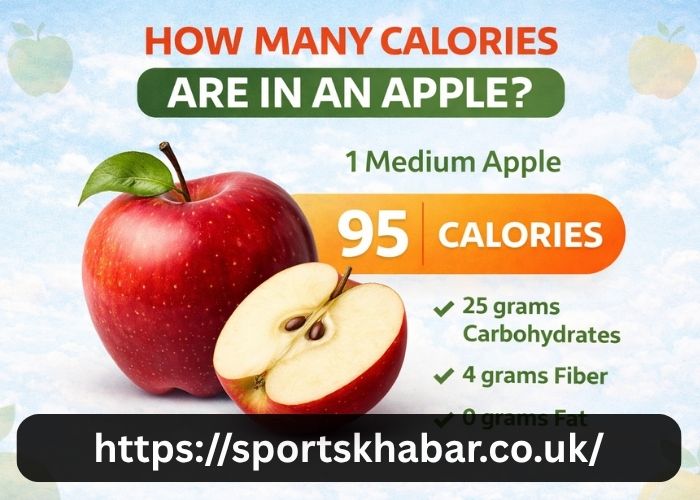
If you’re wondering How Many Calories Are In An Apple, a medium-sized apple typically contains around 95 calories along with fiber, vitamins, and natural sugars that support a healthy diet. 🍎
One medium apple contains 95 Calories, no Fat and 19 Grams of Natural Sugars (also naturally present). Furthermore it provides fiber, potassium and Vitamin C.
| Apple Size | Approx Weight | Calories | Carbohydrates | Fiber |
|---|---|---|---|---|
| Small Apple | ~149 g | 77 Calories | 21 g | 3.6 g |
| Medium Apple | ~182 g | 95 Calories | 25 g | 4.4 g |
| Large Apple | ~223 g | 116 Calories | 31 g | 5.4 g |
| 100 g Apple | 100 g | 52 Calories | 13 g | 2.4 g |
| Apple Slices (1 Cup) | ~110 g | 65 Calories | 16 g | 2–3 g |
1. Calories
Apples are a staple in American diets and provide delicious sweetness, crunch, and flavor for meals and snacks. One medium sized apple contains 104 calories and provides 20% of your daily value of fiber, 8% of your vitamin C needs and some potassium needs.
According to registered dietitian nutritionist Sarah Schlichter of Bucket List Tummy, there are 7,500 varieties of apples worldwide and they’re one of the most beloved fruits in America.
Most supermarkets carry around 100 different types of apples from sweet to tart varieties with firm or soft skins.”
Apples contain both soluble and insoluble fiber, with the former helping to improve gut health while the latter helps keep digestion functioning normally.
They also contain quercetin – an antioxidant with anti-inflammatory, antiviral, and antidepressant properties – providing additional health benefits.
Apples contain only a couple of grams of fat, making them low in saturated and trans-fats. Their high fiber content will keep you feeling full and satisfied for longer – helping manage weight successfully! Furthermore, apples provide vitamin C, potassium and folate.
When selecting apples to consume, organic options should always be preferred in order to avoid pesticide residues.
Thoroughly clean your produce to remove dirt and debris; soaking your apples in a solution of baking soda and water is effective at breaking down and flushing away pesticide residues from them.
2. Fat
Apples are nutrient-dense fruits with various health benefits. Rich in fiber, vitamin C, antioxidants, potassium and beta-carotene; apples also feature a low glycemic index that may reduce obesity risk as well as heart disease risk.
There are various varieties available at grocery stores and farmers markets including sweet, tart, juicy and crunchy varieties – perfect for eating raw or adding into recipes, juices or drinks!
One medium-sized apple with skin contains approximately 95 calories, most of which come from carbohydrates.
Apples are an excellent source of fiber that can help manage blood sugar levels and support digestive health, as well as vitamins and minerals like Vitamin C, Potassium and Folate. Furthermore, apples contain quercetin which has anti-inflammatory and antiviral properties – perfect for helping manage cholesterol.
Apples make an excellent snack choice due to their nutritional value. Not only can they fill you up quickly and be easily prepared, they are also versatile enough to fit into a range of diets like the vegan and vegetarian ones, the Paleo Diet and popular ones like Whole30 Diet.
An apple a day can help keep you healthy! While this old-school saying has stood the test of time, its message still holds true today. Apples contain high amounts of vitamin C which strengthens immunity; one medium-sized apple contains over 14% of your recommended daily allowance!
Furthermore, they’re packed full of soluble fiber which aids digestion and prevents sudden spikes in blood sugar after eating as well as polyphenols, antioxidants known to lower chronic disease risk.
3. Carbohydrates
Apples contain carbohydrates primarily made up of glucose, which the body converts into energy. One medium apple provides about 25 total carbs and 19 grams of naturally occurring sugar. This serves as an effective addition to your diet when trying to lose weight or manage blood sugar levels.
Apples provide more than calories; they’re full of essential healthful nutrients like fiber, vitamin C and polyphenols; this latter group may help lower risk for chronic conditions like heart disease and cancer.
One serving of apples provides nearly one third of your daily recommended fiber intake – helping you feel full and satisfied on less food! In addition, it contains 8 percent of your antioxidant vitamin C requirement as well as providing a healthy dose of potassium.
There are more than 7,500 varieties of apples grown worldwide, yet only 100 commercially available here in the US. Their varieties range in color, flavor and texture from tart to sweet with firm to crispy textures; Gala, Fuji Red Delicious McIntosh are popular raw-eating choices while Granny Smith Jonathan Cortland are widely-preferred baking varieties.
An average American consumes more than 16 pounds of fresh apples annually, making them one of the most widely eaten fruits. Apples provide satisfying snacks, versatile ingredients for salads and main courses, and make an ideal complement for proteins like chicken or turkey.
When selecting apples, always opt for organic varieties in order to reduce exposure to pesticides and keep your supply fresh for longer. Ideally, wash before eating to remove residues and maintain maximum freshness or soak your fruit in water with 1 teaspoon of baking soda to dissolve any bacteria build-up on their surface before eating them or soak them overnight in solution of water + 1 teaspoon baking soda before eating them!
4. Fiber
Apples are an enjoyable snack and nutritious addition to salads, main courses and desserts alike. Packed with flavonoids and soluble fiber that help prevent heart disease, diabetes, cancer, acid reflux, indigestion and weight gain; one medium apple provides 81 Calories; 0.17 Grams of Fat; 2.6 Grams of Carbs and 3.7 Grams of Dietary Fiber from Pectin; along with potassium folic Acid and Vitamin C!
As apples contain over half their fiber in their peels, leaving the skins intact is essential in maintaining good gut health. Therefore, keeping a few handy is always beneficial as an instant source of dietary fiber and phytochemicals!
Apples offer many health benefits beyond fiber, such as being low in fat and sodium content, making them a natural energy booster and appetite suppressor. They’re an easy and tasty way to combat cravings!
Apples are generally safe for most individuals to eat, though some individuals may experience digestive distress from them. Apples contain FODMAPs – a group of fibers known to cause symptoms of IBS in some individuals – so if this condition applies to you, consider limiting or consulting your physician prior to eating this fruit.
Alternatively, speaking to a registered dietitian could be the key to developing an eating plan tailored specifically for you based on diet alone; find one in your area today if this sounds interesting; contact one today – free consultation available – plus for more info and tips visit our blog!
5. Protein
Calorie counting may have its critics, yet knowing exactly what you are getting out of what you eat remains essential – especially for people living with conditions such as diabetes or heart disease and following gluten-free or Whole30 diets.
Apples are an economical food option packed with nutrients like fiber and vitamin C – ideal for everyday diets. As they’re readily available year round and affordable, apples have become part of many American lives’ daily meals.
One medium-sized apple contains 104 calories, zero fat grams and 0.5 protein grams – making it a delicious source of potassium and beta-carotene!
Apples contain fiber to regulate blood sugar levels and improve gut health, while their antioxidants offer protection from certain diseases. Furthermore, apples also contain polyphenols – plant compounds with anti-inflammatory and cancer fighting properties – which may provide further benefit.
An apple is one of many nutritious fruits and vegetables essential for good health, and can serve as a valuable source of dietary fiber, potassium, vitamins A, C and K.
Enjoy apples as an easy, satisfying snack or pair them with proteins such as chicken or cheese for a quick meal option. They also make healthy salads and smoothies, and if you want something sweet try this delicious apple crumble recipe!
 Team Sports Khabar