
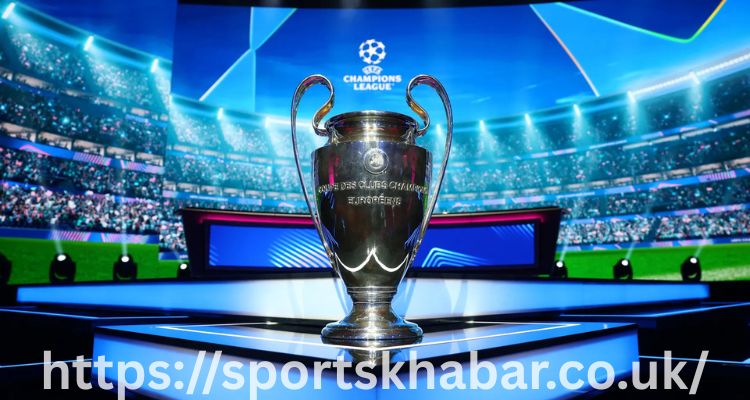
The Champions League has reached a natural pause point, and for the first time under the new format, that pause actually tells us something useful. The league phase is finished. The table is locked. And the tournament now splits cleanly into two realities: teams that did enough to go straight through, and teams that didn’t.
This season’s expanded format has removed most of the old safety nets. Eight matches against eight different opponents left little room for misjudging form or drifting through games. Some clubs handled that clarity well. Others are now paying for it in February.
What the league phase really showed
At the top end, the standings were shaped less by reputation and more by week-to-week control. Arsenal were the standout example. They finished the league phase with a perfect record, taking maximum points without needing dramatic late recoveries or goal difference maths. For fans and for bettors on Sportingbet South Africa that consistency across varied opponents is exactly what this format rewards.
They were joined in the top eight by Liverpool, Manchester City, Bayern Munich, Barcelona, Chelsea, Tottenham Hotspur and Sporting CP. None of these teams coasted, but they avoided extended dips. Over eight matches, that was enough. The key point is that finishing inside the top eight now carries real weight. It removes an entire knockout round and gives teams a cleaner calendar heading into spring.
The playoff round adds pressure, not drama
For the teams placed ninth through twenty-fourth, the Champions League now restarts early. Two leg playoff ties decide who even reaches the round of 16. That group includes names that would previously have expected a smoother route. Real Madrid, Paris Saint-Germain, Inter Milan, Juventus, Benfica and Newcastle United are all there. Not because they collapsed, but because small slips now carry bigger consequences.
This round does not feel like a bonus. It feels like punishment for finishing just short. There is less room to manage minutes, less tolerance for slow starts, and far more emphasis on avoiding mistakes away from home.
How this affects betting behaviour
The format change has also shifted how people approach Champions League betting. Long-term markets now react sharply to finishing positions rather than overall perception. A team forced into playoff ties immediately carries more uncertainty.
That has pushed many bettors to focus on shorter windows and specific matchups instead of outright winners. Platforms offering European football markets have reflected that shift by pricing paths and schedules more aggressively than in previous seasons. A club’s position in the table now matters almost as much as its name.
The road to Budapest
The final will be played on May 30 at Puskás Aréna, and the field still contains the usual contenders. What feels different is how exposed everyone already is. By the time the knockout rounds properly begin, every team left will have been tested in unfamiliar situations. Some already failed those tests. Others passed quietly. That, more than any headline result, is what this Champions League has changed. The format no longer flatters teams that rely on history. It rewards those that keep turning up, week after week, without needing the competition to bend around them.
 Vimal Kumar